
Finasteride inhibits 5-alpha-reductase, the enzyme converting testosterone to dihydrotestosterone. The detail that matters is which isoform: there are three, and finasteride is selective for type II, with only limited activity at type I. Dutasteride inhibits both. That single distinction accounts for the difference in how completely each suppresses circulating DHT, and it is a property of the molecules rather than of dose, so no amount of finasteride reproduces dutasteride's type I coverage. Finasteride was the first 5-alpha-reductase inhibitor brought to market and has the longer record of the two.
How Finasteride compares
Against dutasteride: finasteride covers type II only, dutasteride covers both type I and type II, which is why DHT suppression differs between them. Against topical anti-androgens: entirely different route and mechanism. The type I versus type II distinction is the thing worth understanding in this category, and it is rarely stated on listings.
Note that it acts on 5-alpha-reductase, so it has no effect on compounds that are already 5-alpha reduced or that do not require that conversion.
| Class | 5-alpha-reductase type II inhibitor |
| Presentation | Oral tablet. |
| Pharmacokinetics | Approximately 6 to 8 hours, though the enzyme effect outlasts plasma levels. |
| Storage | Cool, dry, dark. |
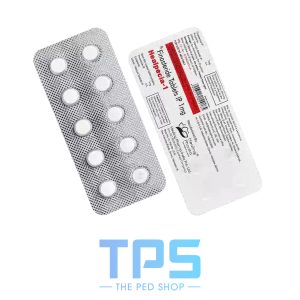 Finasterideout of stock£12
Availability checked 2026-09-08. The product page carries live stock.